
Welcome To MANTAQ
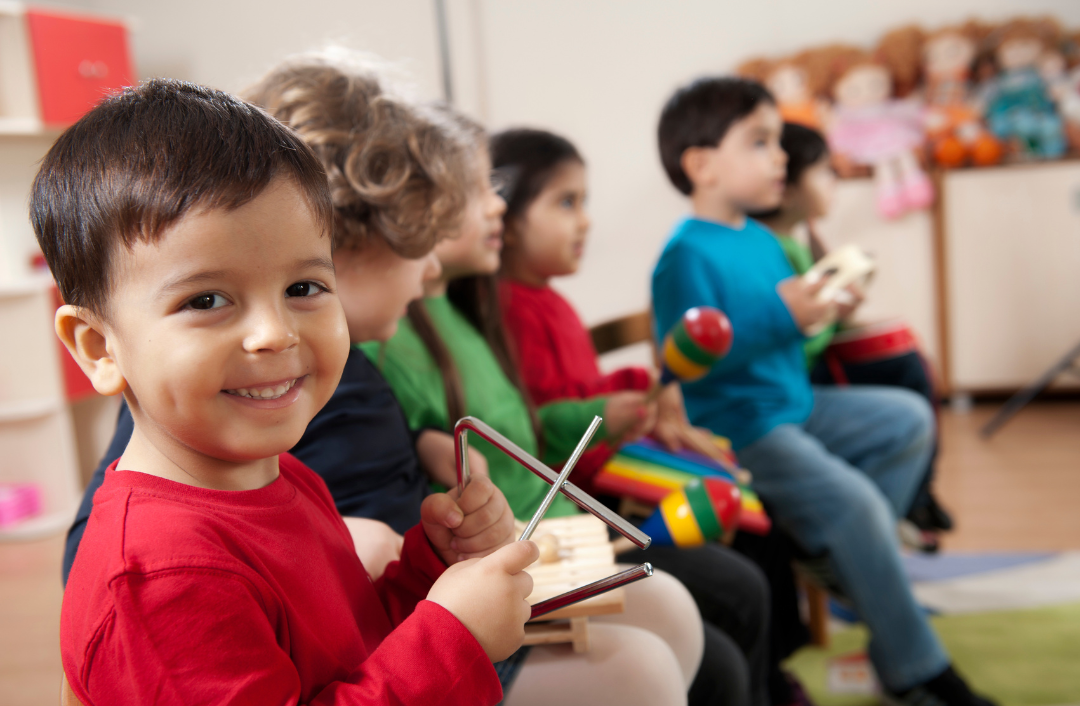
Welcome to our guide to the Montessori curriculum, a renowned educational approach that nurtures children’s natural curiosity and fosters holistic development. Developed by Dr. Maria Montessori, this curriculum is founded on the principles of respect for the child, individualized learning, and hands-on exploration.
The Montessori curriculum offers a rich and dynamic learning experience that honors each child’s unique developmental journey. By fostering independence, critical thinking, creativity, and a love of learning, Montessori education empowers children to become confident, compassionate, and engaged members of society. Whether in a classroom setting or at home, embracing the principles of the Montessori philosophy can lay the foundation for a lifetime of curiosity, discovery, and growth.
Your child will be exposed to learning a wide array of skills in a stimulating environment. Here is a glimpse of what we will be focusing on:
Practical Life: Nurturing Independence and Everyday Skills
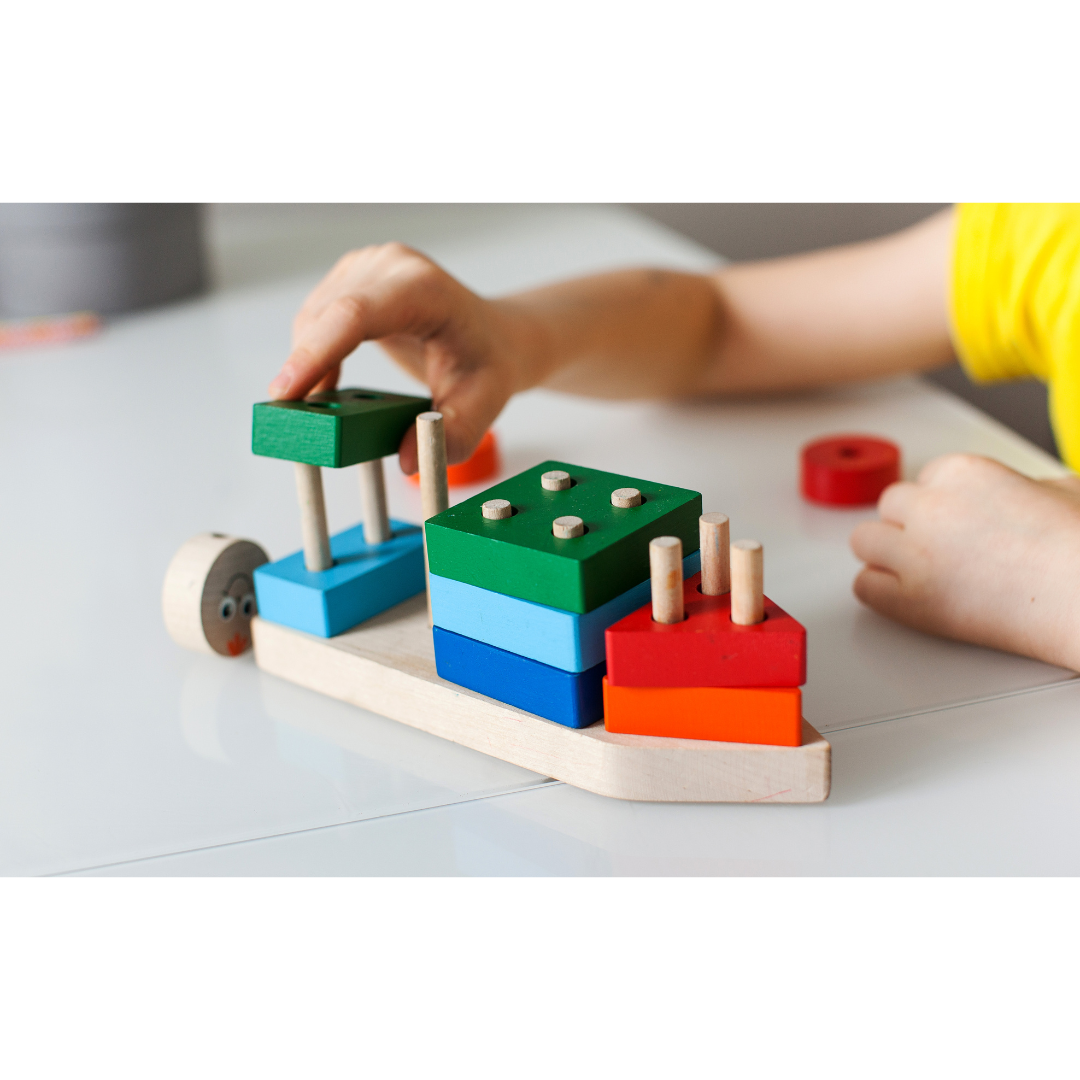
In the practical life area of the Montessori classroom, children engage in purposeful activities that mimic everyday tasks.
These activities include pouring, spooning, buttoning, and polishing, among others. Through these tasks, children develop fine and gross motor skills, hand-eye coordination, concentration, and a sense of order.
Practical life activities also promote independence and self-confidence as children learn to take care of themselves and their environment.
Sensorial Education: Stimulating the Senses for Cognitive Development
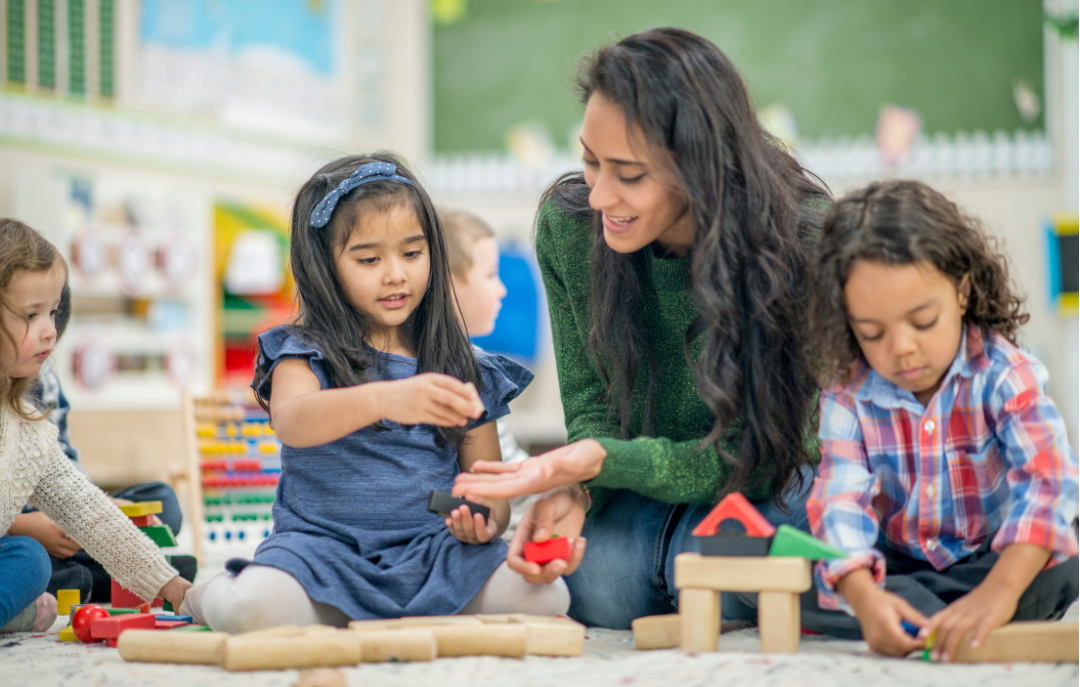
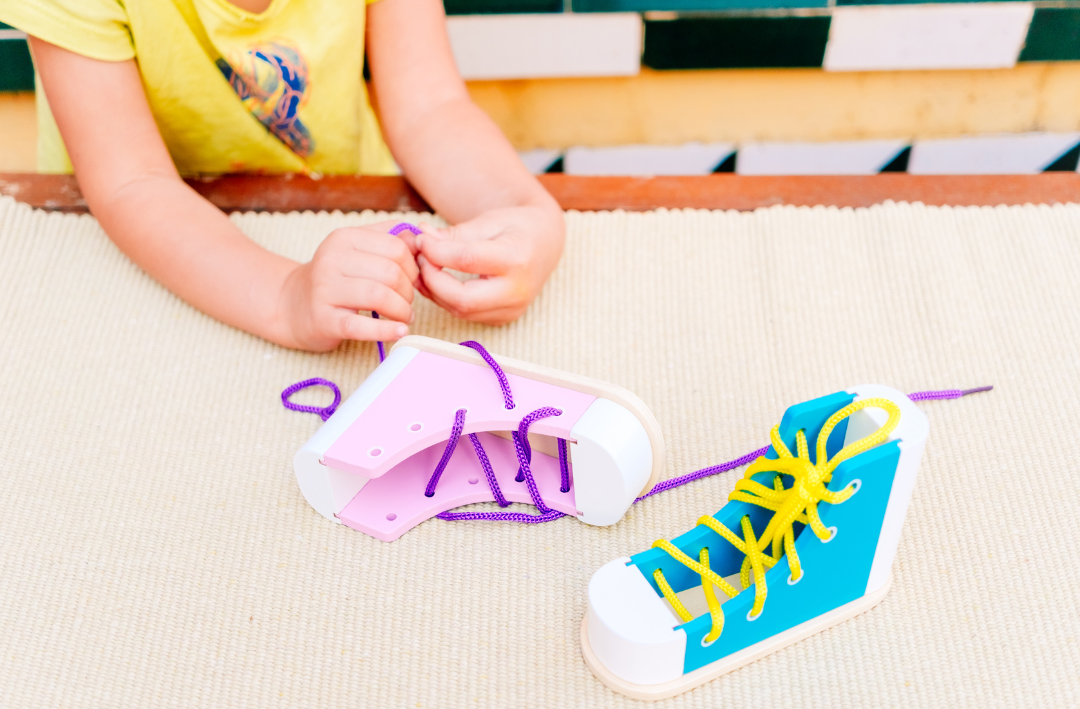
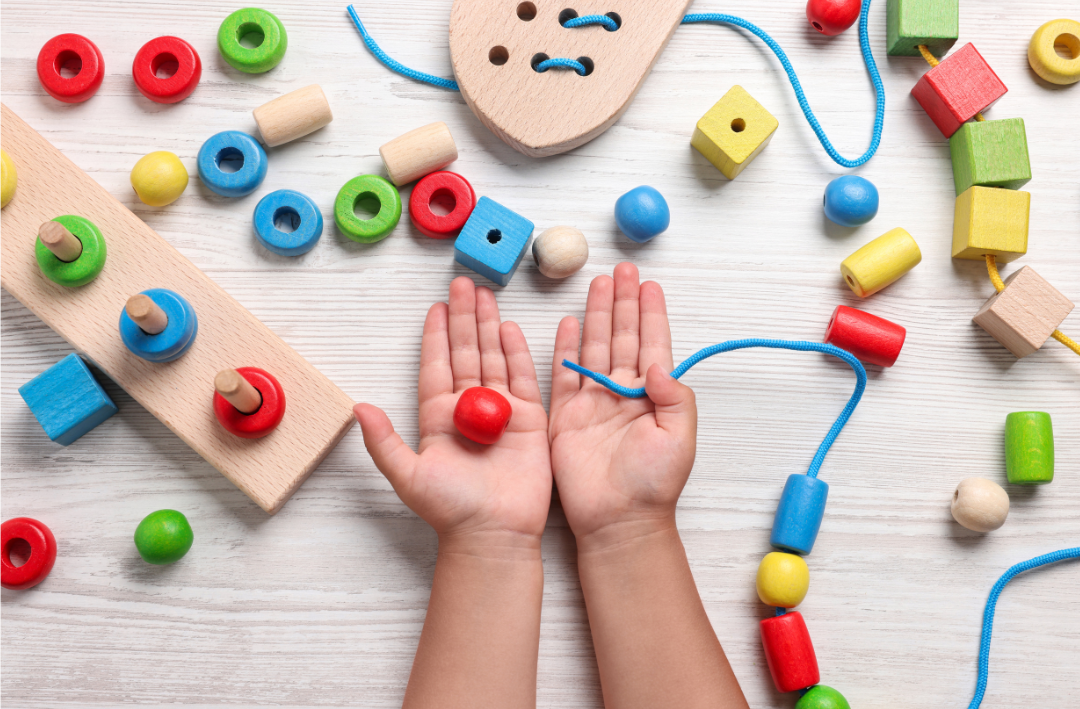
The sensorial materials in a Montessori classroom are designed to help children refine their senses and understand abstract concepts.
These materials come in a variety of shapes, colors, textures, sizes, and weights, allowing children to explore concepts such as dimension, seriation, and discrimination.
By engaging with sensorial materials, children develop critical thinking skills, spatial awareness, and an appreciation for the world around them.
Language Development: Cultivating Communication and Literacy Skills
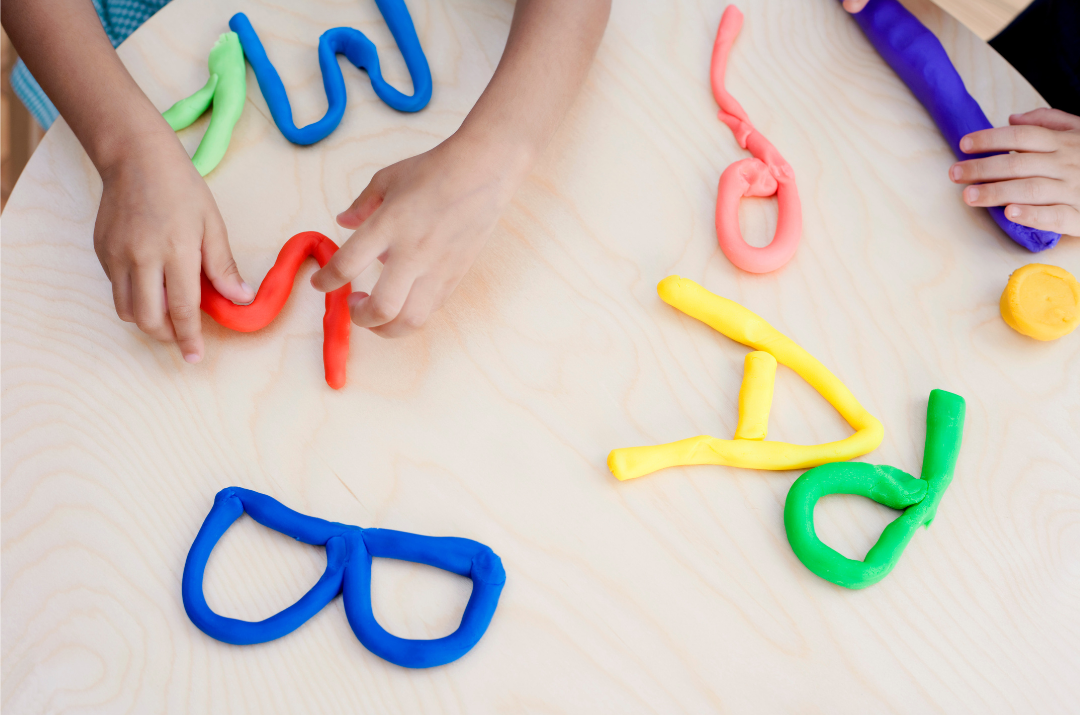
In the Montessori language area, children are immersed in a language-rich environment that promotes oral language development, vocabulary expansion, and literacy skills.
Through activities such as storytelling, conversation, phonemic awareness exercises, and the use of language materials like the sandpaper letters and movable alphabet, children learn to read, write, and express themselves with confidence and fluency.
Mathematics: Building a Strong Foundation in Numeracy
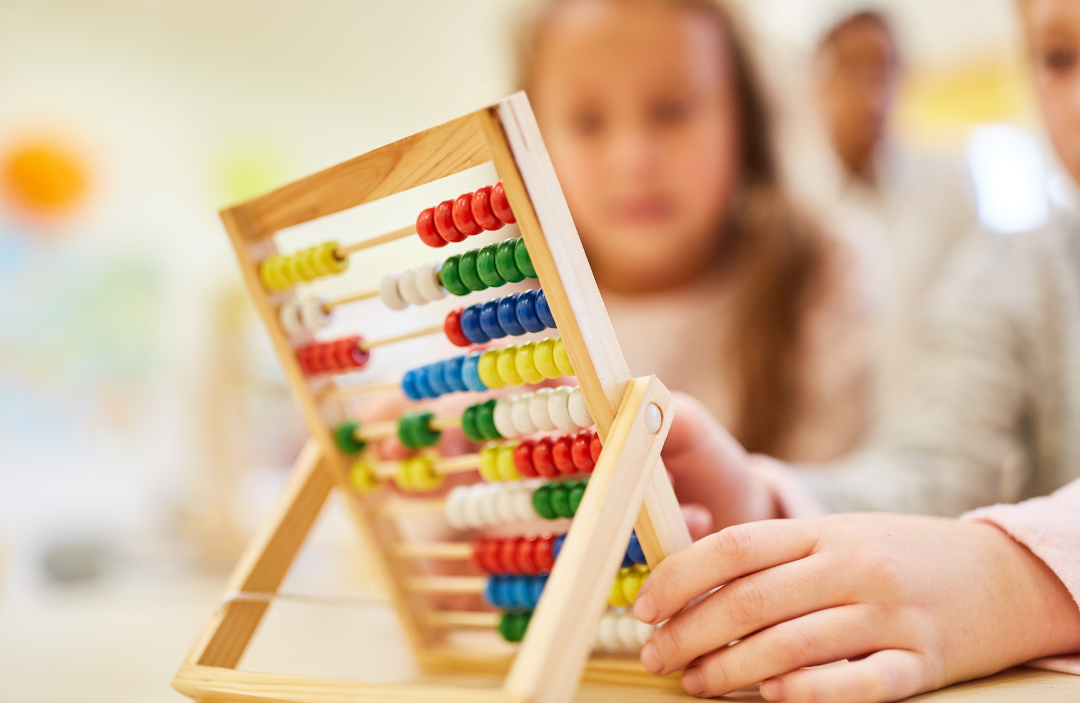
The Montessori Math curriculum introduces children to abstract mathematical concepts through concrete, hands-on materials. From the introduction of numbers and quantities to more advanced operations like addition, subtraction, multiplication, and division, children progress at their own pace, building a deep understanding of mathematical principles.
Montessori Math materials not only develop numeracy skills but also critical thinking, problem-solving, and logical reasoning abilities.
Cultural Studies: Exploring the World Around Us
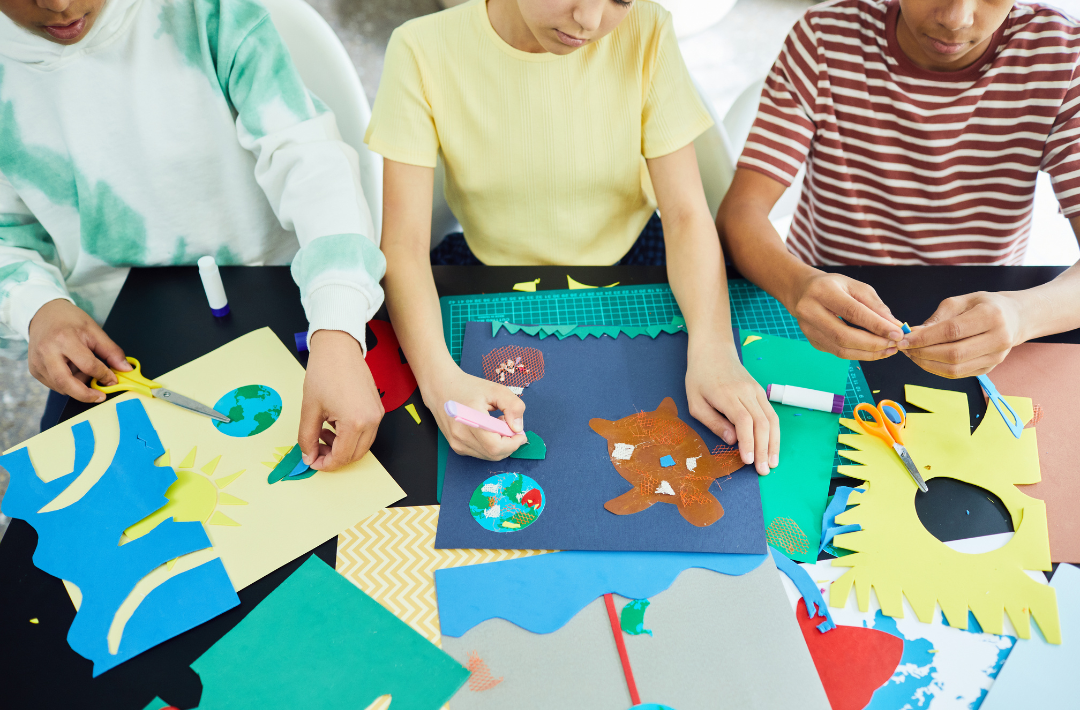
In the cultural studies area, children embark on a journey of exploration and discovery, learning about geography, history, science, and cultural diversity. Montessori classrooms are filled with materials that invite children to explore different cultures, ecosystems, and scientific phenomena.
Through hands-on experiences and guided exploration, children develop a deep appreciation for the interconnectedness of the world and their place within it.